
Installment Payments for Nigerian Shop Owners, No Website Required
If you run a shop in Ibadan, sell groceries in Lagos, or operate a provision store anywhere across Nigeria, you have probably heard the buzz about Buy Now, Pay Later (BNPL). But here is the part most people miss: you do not need a website, an app, or any technical knowledge to start offering installment payments for Nigerian shop owners like yourself. The barrier is much lower than you think, and this guide will walk you through exactly how it works.
Why Installment Payments Can Transform Your Shop's Revenue
Think about this scenario: a customer walks into your store in Bodija Market and wants to buy ₦30,000 worth of provisions, rice, cooking oil, noodles, tomato paste, for the month. They only have ₦15,000 on them. Without a flexible payment option, you lose the sale (or you extend informal credit with all the risk that comes with it). With a structured BNPL option, they pay ₦15,000 today and the rest over the next two months, at 0% interest. You get the full ₦30,000. They get their groceries. Everybody wins.
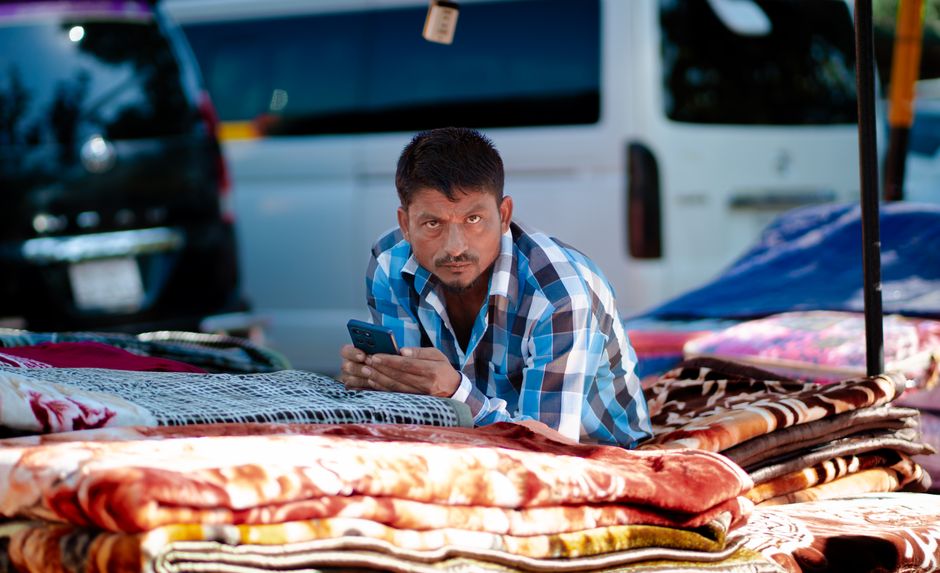
FoodBank.ng's model is built precisely for this: 50% upfront, the balance spread over two months, zero interest charges. And critically, it is designed to work even if your shop has no website, no POS terminal integration, and no e-commerce platform.
How to Accept BNPL Without a Website: A Step-by-Step Breakdown
Here is how offline and semi-offline Nigerian shop owners are already making this work on FoodBank.ng:
- Sign up as a merchant on FoodBank.ng. The signup process takes less than five minutes. You just need a smartphone or any internet-connected device, no coding, no website, no special hardware.
- Share your merchant link with customers. Once registered, you get a unique merchant profile link. Share it via WhatsApp, print it as a QR code on a small sign in your shop, or simply send it to customers as an SMS. Anyone can open it on their phone.
- Customer places the order through your link. Your buyer selects the products and pays the 50% deposit directly through the platform. No cash handling confusion on your end.
- You receive confirmation and fulfil the order. You get notified instantly. Hand over the goods, and FoodBank.ng handles the repayment schedule for the balance, following up with the customer so you do not have to chase anyone.
- Collect the remaining balance automatically. For customers who are civil servants, repayments can even be deducted directly from their salary. For others, FoodBank.ng manages the two-month repayment cycle for you.
In practical terms, a ₦5,000 bag of rice, a ₦4,500 bottle of groundnut oil, and ₦2,000 of seasoning cubes becomes a ₦11,500 basket, ₦5,750 today and ₦5,750 next month. That's a complete monthly shop, and you have already been paid half before the customer leaves your counter.
What Nigerian Shop Owners Are Getting Wrong About BNPL
Many traders in places like Kano, Onitsha, and Port Harcourt assume that buy now pay later for small businesses in Nigeria is only for big supermarkets or e-commerce stores with fancy websites. That is simply not true. In fact, the informal credit that market traders have offered for generations, "pay me next week" arrangements, is already a form of BNPL. The problem is that informal credit has no structure, no guarantee, and no accountability. A platform like FoodBank.ng simply formalises what many Nigerian shop owners are already doing, except now you are protected.
Another common myth is that accepting split payments in Nigeria means you wait weeks to get your money. Not so. With FoodBank.ng's merchant programme, the platform takes on the repayment risk, you receive your funds according to the agreed schedule, and you are not left chasing customers through the market.
Practical Tips for Getting Started This Week
- Print your FoodBank.ng merchant QR code and tape it near your cash register or at the entrance of your stall, customers will see it and ask questions.
- Mention the option proactively: "You can pay half now and half next month, no extra cost." Many customers will upgrade their basket size immediately.
- Target your regular customers first, civil servants, teachers, nurses, and government workers who receive monthly salaries are ideal candidates for salary-deduction repayments.
- Bundle items into suggested "monthly packs" (e.g., a ₦25,000 family food bundle) so customers can see at a glance how affordable the instalment looks: ₦12,500 today, ₦12,500 next month.
- Use your WhatsApp Business status to broadcast your new payment option, a simple message like "We now accept instalment payments, ask me how!" can drive immediate enquiries.
The Bottom Line for Nigerian Shop Owners
The truth is, customers want to buy more from you, they just sometimes lack the cash flow to do it in one go. Offering offline BNPL in Nigeria through FoodBank.ng removes that barrier completely, without requiring you to build a website, hire a developer, or change how your shop operates. You stay in control. Your customers get flexibility. And your sales grow.
Whether you run a provision store in Ibadan, a food stall in Surulere, or a wholesale outlet in Aba, FoodBank.ng is built for you. Sign up on FoodBank.ng today and start offering structured installment payments to your customers in minutes. Already a merchant? Sign in to access your dashboard and share your merchant link with your next customer.


