
Why Proper Palm Oil Storage Matters (and What It Costs You When You Get It Wrong)
Palm oil is the backbone of Nigerian cooking. From egusi soup in Ibadan to banga stew in Warri, almost every pot needs it. Yet a huge number of households watch helplessly as their oil turns dark, smells off, or grows mould long before the keg is finished. Knowing how to store palm oil at home in Nigeria is not a minor detail. It is the difference between your ₦7,000 twenty-litre keg lasting three months and lasting just three weeks.
The good news: proper storage requires no special equipment and almost no extra cost. It just requires knowing what actually damages palm oil and what protects it.
The Four Enemies of Palm Oil: What Ruins It Fastest
Before you fix the problem, you need to understand what causes it. Palm oil degrades quickly when it meets any of these four things:
- Heat and direct sunlight. Storing your keg beside the gas cooker or on a windowsill is the fastest way to make it go rancid. UV light and high temperatures break down the oil's natural antioxidants and accelerate oxidation.
- Water and moisture. Even a single drop of water inside the container encourages mould and fermentation. This is why using a wet spoon or ladle to scoop oil is a common but costly mistake.
- Oxygen exposure. Every time you open the keg and leave it loosely covered, oxygen gets in and begins degrading the oil. Air is a slow but steady enemy.
- Contamination from food particles. Dipping a spoon you used to stir soup back into the oil introduces organic matter that speeds up spoilage dramatically.
Once you understand these four culprits, the storage rules below will make perfect sense.
How to Store Palm Oil at Home in Nigeria: Step-by-Step
Follow these practical steps to extend the shelf life of your palm oil significantly, whether you buy a small 5-litre jerry can from your local market or a bulk 25-litre keg from Mile 12 in Lagos or Bodija market in Ibadan.
- Divide into smaller portions immediately. Do not live out of one giant keg. Pour your oil into two or three smaller, airtight containers right away. You use one actively while the others stay sealed and largely untouched. This limits how often the bulk supply is exposed to air.
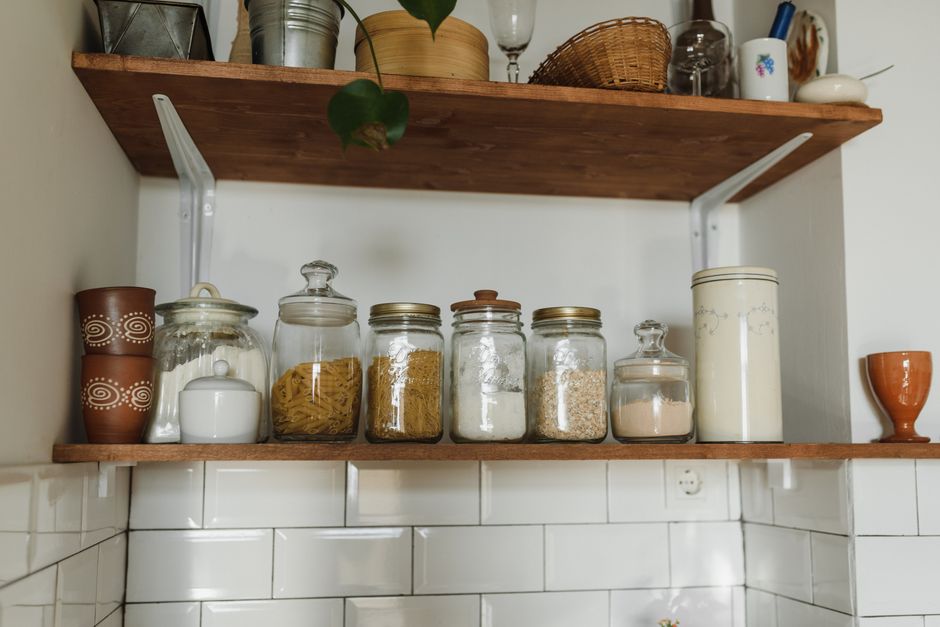
- Use dark-coloured or opaque containers. Clear plastic lets light in. Dark-coloured plastic containers or glass jars stored in a cupboard are far better. Glass is ideal because it does not leach chemicals and seals airtight.
- Store in a cool, dark place. A kitchen cupboard away from the cooker is perfect. If you have a pantry, even better. In very hot months across cities like Kano or Ibadan, consider storing your reserve supply in the refrigerator. Chilled palm oil will solidify, but it melts back to liquid at room temperature with no quality loss at all.
- Always use a dry, clean ladle or spoon. This cannot be overstated. Wipe your ladle dry before every scoop. Water is the most common cause of palm oil going bad early in Nigerian homes.
- Seal tightly after every use. Press the lid down firmly every single time. If your container lid is no longer airtight, transfer the oil to a better-sealed jar. A loose lid on a keg sitting in the kitchen can halve your oil's shelf life.
- Check for signs of spoilage before cooking. Fresh palm oil should be a rich, deep orange-red colour and have a mild, earthy aroma. If it smells sour or rancid, looks unusually dark or murky, or has visible mould at the surface, discard it. Cooking with spoiled oil does not make it safe to eat.
How Long Should Palm Oil Last? And When to Buy in Bulk
Properly stored, good-quality palm oil should last three to six months at room temperature and up to twelve months in the refrigerator. If yours is going bad in under a month, one or more of the four enemies above is almost certainly at work.
Buying in bulk is a smart move when you have the right storage in place. A 25-litre keg from a wholesale supplier in Lagos or Ibadan can cost as little as ₦28,000 to ₦35,000 depending on the season, while buying the equivalent volume in small tins or sachets from a nearby store could cost ₦45,000 or more. That is a real saving of over ₦10,000 for the same amount of oil, simply by buying smarter and storing correctly.
On FoodBank.ng, you can stretch your food budget even further by accessing staples like palm oil on a Buy Now, Pay Later basis at 0% interest, paying just 50% upfront and spreading the rest over two months. No hidden charges, no stress.
One More Tip: Check Your Oil Before You Buy
Storage starts at the point of purchase. Ask your market seller when the oil was pressed. Fresh-season palm oil from states like Cross River, Edo, or Ondo is your best bet for a product that will store well. Avoid oil that already looks very dark or smells slightly fermented at the point of sale, because no storage method can rescue oil that is already on its way out.
Ready to stock up on quality food staples without breaking the bank this month? Sign up on FoodBank.ng to access palm oil and hundreds of other Nigerian food essentials on flexible, 0% interest BNPL terms, or sign in if you already have an account. And while you are on the platform, remember you can also Pay a bill and earn cashback of 1% (capped at ₦100 per payment) whenever you top up airtime, buy data, pay electricity, or settle your cable TV subscription.


