
Why Yam Storage Is a Money Issue in Nigeria
Walk through any market in Bodija, Ibadan or Mile 12, Lagos on a busy Saturday and you will see tubers of yam piled high, prices ranging from ₦1,500 for a small tuber to ₦10,000 or more for a full sack. Yam is one of Nigeria's most important staple foods, appearing on tables as pounded yam, yam porridge, boiled yam with egg sauce, or fried yam and pepper dip. But here is the painful truth: millions of naira worth of yam is wasted every year simply because people do not know how to store yam properly.
If you have ever bought a sack of yam at a great bulk price only to watch half of it rot, sprout uncontrollably, or dry out within weeks, this guide is for you. Follow these practical steps and your yam can stay fresh and edible for three to six months.
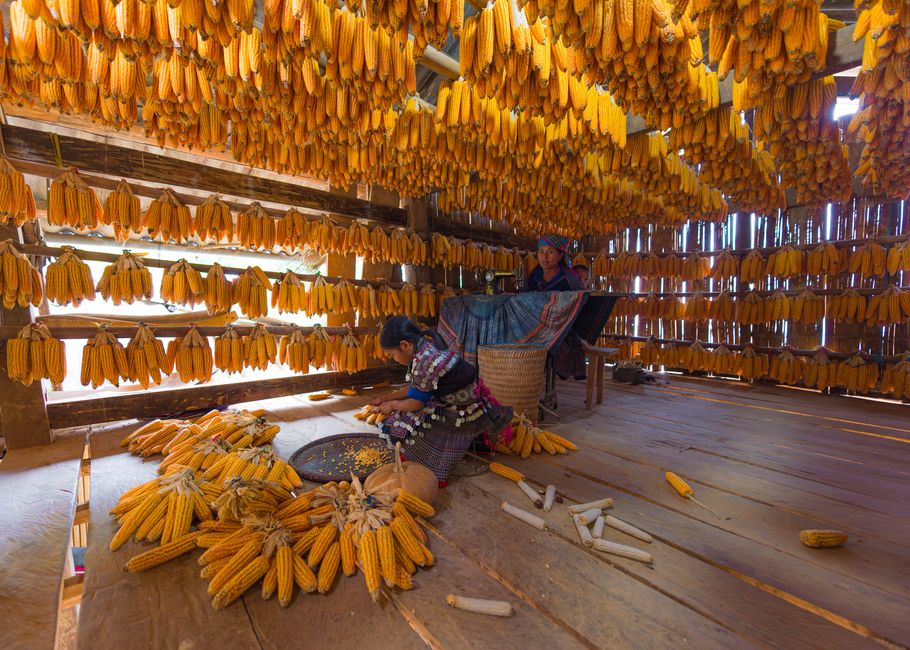
The Enemies of Stored Yam
Before diving into solutions, it helps to understand what destroys yam in storage. There are four main culprits:
- Moisture: Excess humidity encourages mould and rot to spread quickly from one tuber to the next.
- Heat: High temperatures, especially in poorly ventilated Nigerian rooms during the dry season, speed up sprouting and decay.
- Darkness without airflow: Leaving yam in a sealed bag or a completely dark, stuffy corner traps ethylene gas, which accelerates ripening and rot.
- Physical damage: Any cut, bruise, or broken skin on a tuber is an open invitation for bacteria and fungi to enter.
- Proximity to rotting tubers: One bad yam truly does spoil the whole sack. Rot spreads fast through contact.
How to Store Yam Properly: Step-by-Step
1. Inspect and Sort Before You Store
The moment you bring yam home from the market, sort through every single tuber. Set aside any with cuts, soft spots, or visible mould for immediate use. Do not store a damaged tuber alongside healthy ones, not even for a day. This one habit alone can save you thousands of naira.
2. Cure the Tubers First
Curing is the secret farmers in Benue, Oyo, and Kogi have practised for generations. Place your yam in a warm, dry spot with good airflow for about five to seven days right after purchase. This toughens the skin, seals minor surface wounds, and significantly reduces the chance of rot setting in during long storage.
3. Choose the Right Storage Location
The ideal spot is cool, dry, and well-ventilated. A store room with a louvred window, a covered corridor, or even a purpose-built yam barn works well. Avoid:
- Sealed plastic bags or airtight containers
- The kitchen, where steam and heat fluctuate constantly
- Direct contact with the floor (use wooden pallets or raised slats to allow air beneath)
- Areas where sunlight hits directly for hours
4. Store Yam Vertically, Not in a Pile
Stacking yam in a heap causes pressure bruising on the tubers at the bottom. Where possible, lean tubers upright against a wall or store them in a single layer on wooden slats with gaps between each tuber. Air must be able to circulate around every piece.
5. Apply a Light Coating of Wood Ash or Dry Sand
This is a time-tested Nigerian preservation method. A thin dusting of dry wood ash or fine, dry sand around stored tubers draws out surface moisture, deters insects, and slows the growth of mould. It costs almost nothing and it works remarkably well for yam preservation in Nigeria.
6. Check Regularly and Remove Any Bad Tubers
Set a reminder to inspect your yam every one to two weeks. Remove any tuber that shows softness, discolouration, or a sour smell immediately. The few minutes you spend on this check can save the rest of your stock.
7. Control Sprouting
Sprouting does not mean a yam is ruined, but heavy sprouting does drain the tuber's nutrients and moisture. If sprouts appear, snap them off gently. Some farmers rub the cut end of the tuber with a small amount of vegetable oil to slow re-sprouting. This is especially useful when storing yam at home in bulk through the dry season months of November to March.
What About Freezing Yam?
If you do not have storage space or you want to keep yam even longer, freezing is a reliable option. Peel, cut into chunks, parboil for about five minutes, drain, cool completely, and freeze in sealed bags. Frozen yam keeps for up to twelve months and goes straight from freezer to pot with no thawing needed. In cities like Abuja and Lagos where reliable electricity is more common, this method is increasingly popular for busy households.
Buy Yam in Bulk Without Draining Your Wallet
Now that you know how to keep yam fresh longer, buying in bulk makes even more financial sense. A sack of yam bought wholesale in Bodija market or at a farm gate in Oyo State can cost significantly less per tuber than buying piece by piece every week. On FoodBank.ng, you can stock up on food bundles, including staples like yam, and spread the cost with our 50% down payment and zero-interest instalments over two months. No hidden charges. No stress. Whether you are a civil servant whose salary hits at the end of the month, or a household manager watching every naira, this is a smarter way to eat well without emptying your account in one shot.
Ready to stock your kitchen the smart way? Sign up on FoodBank.ng to explore food bundles and BNPL options, or if you already have an account, sign in and place your next bulk order today. Your yam sack is waiting, and now you know exactly how to make it last.


