
NEPA takes the light. The generator runs out of fuel. Your fridge sits warm and silent. Sound familiar? If you live in Nigeria, you already know that keeping food safe without reliable electricity is not just a skill, it is a survival strategy. The good news is that some of the best Nigerian kitchen staples without a fridge can sit on your shelf for weeks, or even months, without spoiling, saving you countless trips to the market and thousands of naira in wasted food. Here are the 9 that last the longest.
The 9 Best Nigerian Kitchen Staples Without a Fridge
-
1. Garri
Garri is the undisputed champion of shelf-stable Nigerian foods. A well-dried, properly sealed bag of garri can last 6 to 12 months at room temperature. Buy a 10 kg bag for around ₦4,000 to ₦6,000 in most Nigerian markets, transfer it into an airtight container, and keep it away from moisture. White or yellow, it will be ready whenever you need it.
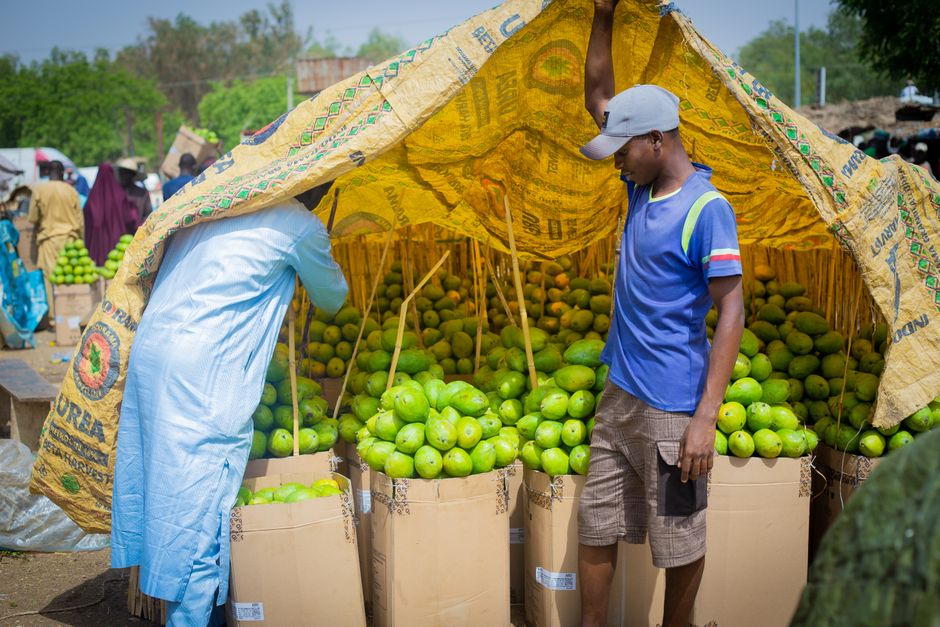
Photo by Muktar Zubairu via Pexels -
2. Dried Beans (Oloyin, Iron, or Drum)
Dried beans store beautifully for 6 to 12 months when kept in a sealed container with a few dried bay leaves to deter weevils. A 5 kg bag of oloyin beans goes for roughly ₦5,500 to ₦7,000 depending on your market. Pour into a plastic container with a tight lid immediately after purchase to lock out pests and humidity.
-
3. Crayfish (Dried)
Dried crayfish is one of the most powerful flavour boosters in Nigerian cooking, and it needs zero refrigeration when stored correctly. A 200 g pack costs between ₦1,500 and ₦2,500. Keep it in a sealed glass jar away from direct sunlight and it will hold its flavour for up to 3 months. Avoid plastic bags, which trap moisture and cause mould.
-
4. Palm Oil
Unrefined red palm oil is naturally resistant to rancidity and can last up to 6 months at room temperature in a sealed keg. A 25-litre keg costs anywhere from ₦15,000 to ₦22,000 depending on the season and your location. Store in a cool, dark corner of your kitchen, and always use a clean, dry spoon to scoop so you do not introduce water, which speeds up spoilage.
-
5. Stockfish (Panla)
Properly dried stockfish is one of Nigeria's oldest preservation success stories, lasting 3 to 6 months without any cooling at all. A medium-sized piece can cost ₦2,000 to ₦5,000. The key is keeping it in a dry, well-ventilated spot, not sealed in a plastic bag where moisture accumulates. Wrap loosely in old newspaper or a mesh bag to allow airflow.
-
6. Groundnut Oil
A sealed bottle of groundnut oil will stay fresh for 6 to 12 months on a shelf without refrigeration. The 5-litre bottle typically runs ₦7,000 to ₦10,000. Once opened, use within 3 months and always keep the cap tightly closed. Store away from your gas cooker, as heat and light are the fastest ways to turn oil rancid.
-
7. Dried Pepper (Tatashe and Cameroon Pepper)
Sun-dried or oven-dried pepper can last 3 to 6 months in an airtight container, giving you heat and colour in every pot without the fridge. A 100 g pack of dried Cameroon pepper goes for ₦500 to ₦800. Grind in batches only when needed. Whole dried peppers last significantly longer than pre-ground ones, so buy whole when you can.
-
8. Rice (Ofada or Long Grain)
Raw rice is practically indestructible in storage, lasting 1 to 2 years when kept dry and sealed. A 50 kg bag of long-grain rice costs around ₦55,000 to ₦75,000 at current market prices. Portion it into smaller, pest-proof containers as soon as you get home. Tuck in a few dried bay leaves to keep weevils at bay without chemicals. This is one of the smartest bulk-buy investments you can make when it comes to long-lasting Nigerian pantry foods.
-
9. Locust Beans (Iru/Dawadawa)
Fermented locust beans have a powerful smell but an equally powerful shelf life of up to 3 months at room temperature. A small wrap or pack costs ₦200 to ₦500 at any local market. Store in a sealed glass jar or container to contain the aroma and keep moisture out. In cooler harmattan months, it can last even longer. On FoodBank.ng you can stock up on all these pantry essentials upfront and spread the cost over two months, making bulk-buying far easier on your wallet.
Quick Tips for Food Storage Without Electricity in Nigeria
Beyond choosing the right foods, how you store them matters just as much. Here are a few budget-friendly food storage tips for Nigeria's climate:
- Use airtight containers. Old plastic ice cream tubs, glass jars, and food-grade buckets all work. Weevils and moisture are your two biggest enemies.
- Store high, not low. Shelves above floor level protect against ground moisture and cockroach access.
- Rotate stock. Always use the older item first. First in, first out prevents waste.
- Avoid direct sunlight. A dark pantry corner or covered shelf extends the life of oils, dried grains, and spices significantly.
- Label everything. Write the purchase date on containers so you always know what to use next.
If you are serious about how to store food without electricity in Nigeria, combining the right non-perishable staples with smart storage habits can cut your weekly food budget considerably, because less spoilage means less money thrown away.
Ready to stock your kitchen with these essentials without draining your wallet all at once? Sign up on FoodBank.ng, Nigeria's number one food BNPL platform, and get your pantry staples now with just 50% down, then pay the rest over two months at 0% interest. Already a member? Sign in and place your order today. And while you are on the platform, Pay a bill and earn cashback, because FoodBank.ng also lets you settle your airtime, data, electricity, and cable TV bills and earn 1% cashback (capped at ₦100 per payment) every time.


